










Our mission
for modern lifestyle at competitive prices.
48V Or 36V – Battery Lifespan In Practice
The principle is simple: for the same power, a lower voltage requires higher current, which generates more heat and speeds up component wear. At 48V, the load is distributed more evenly, which helps slow down degradation and extend overall lifespan. Of course, voltage alone doesn’t tell the full story – durability also depends on the quality of the cells, charging habits, operating temperature, and how deeply the battery is discharged.
This article takes a closer look at how voltage affects battery life in everyday use and how to make the most of your battery so it lasts as long as possible.
Battery voltage in an e-bike
Before comparing, it’s worth clarifying what voltage really means in the context of an e-bike. In simple terms, it’s the force that “pushes” current through the circuit. The higher the voltage, the easier the energy flows to the motor – but this doesn’t automatically mean the bike will be faster. It’s more about how the battery delivers power.
In a 36V battery, achieving the same power output as with a 48V setup requires more current, which in turn produces proportionally more heat. That’s why in scenarios where dynamics, carrying extra cargo, or covering longer distances matter, 48V tends to be gentler on the battery. On the other hand, for a calm city pace and short routes, 36V is still more than enough.
Ultimately, it’s the voltage that determines how “hard” a battery has to work in everyday riding – and therefore, how long it can maintain its performance.
36V and 48V – in practice
Both standards have their strengths.
36V batteries are most common in bikes designed for city use. They shine where simplicity, low weight, and shorter rides are key. Lower voltage is perfectly sufficient for smooth rides on bike lanes and flat streets, and these batteries also tend to be more affordable
48V batteries are the choice for riders who want more – not just greater range, but also higher efficiency during longer use. Thanks to lower current levels, the cells generate less heat, which often translates into longer lifespan. These batteries are appreciated by cyclists who ride dynamically, cover longer distances, or choose routes requiring extra power.
In short: 36V is a practical option for everyday city rides, while 48V proves more versatile when the bike needs to handle both daily commuting and extended trips.
How to extend battery life regardless of voltage
While the choice between 36V and 48V does matter, in practice, most depends on how the battery is used. Regular top-ups, avoiding full discharges, and storing the battery at moderate temperatures are the basic rules that really make a difference.
It’s equally important to use only the dedicated charger designed for the specific model, as this minimizes the risk of damaging the electronics. Another good habit is “winter hibernation” – storing the battery at around 50% charge in a dry place, away from extreme temperatures.
With this approach, both 36V and 48V packs can serve reliably for many seasons without noticeable loss of capacity.
In the end, battery lifespan is a sum of voltage, current, and habits. A 48V setup reduces stress on the cells, a 36V system is well-suited to the rhythm of city riding, and the final outcome always comes down to how the battery is charged, stored, and discharged.
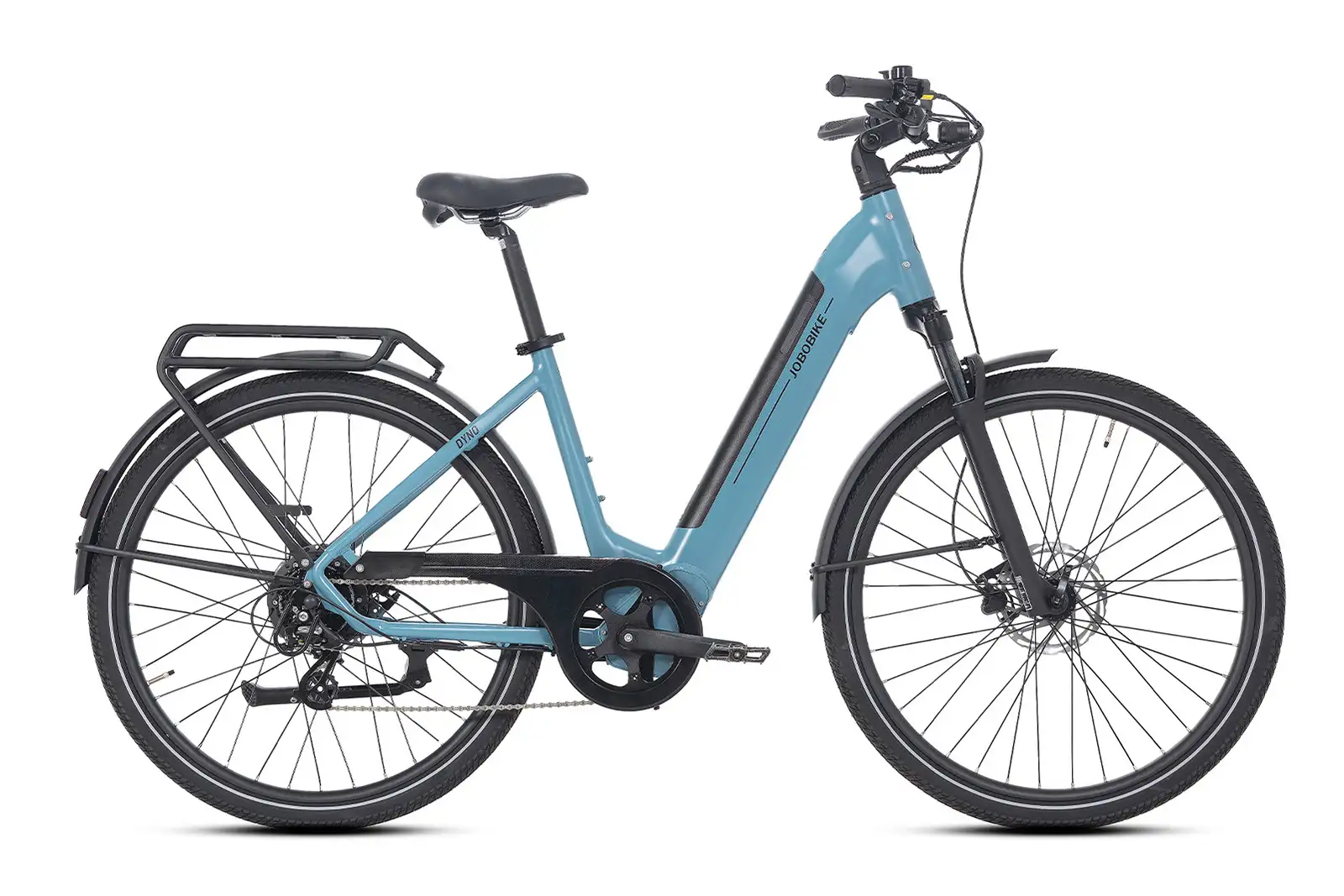
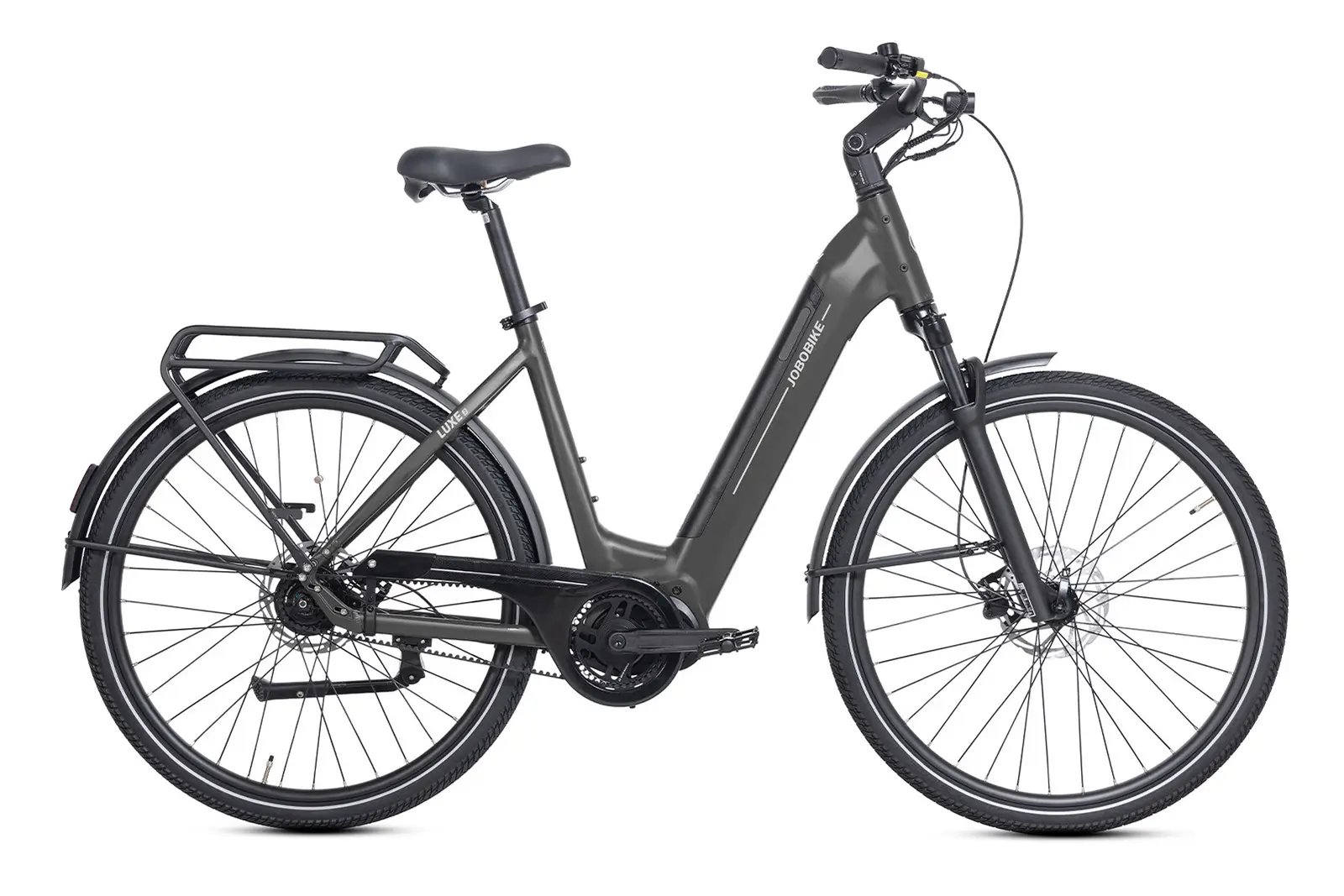
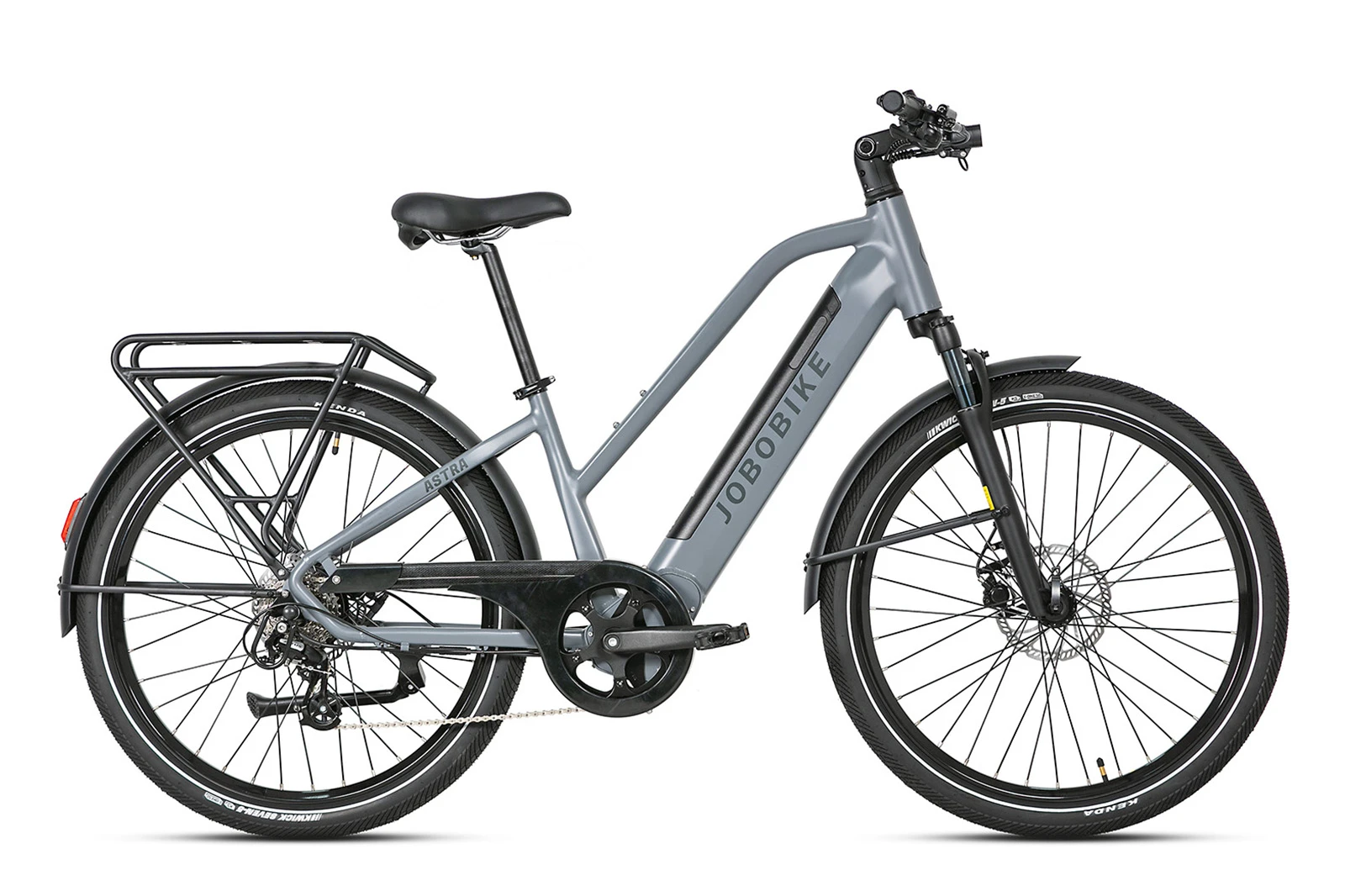
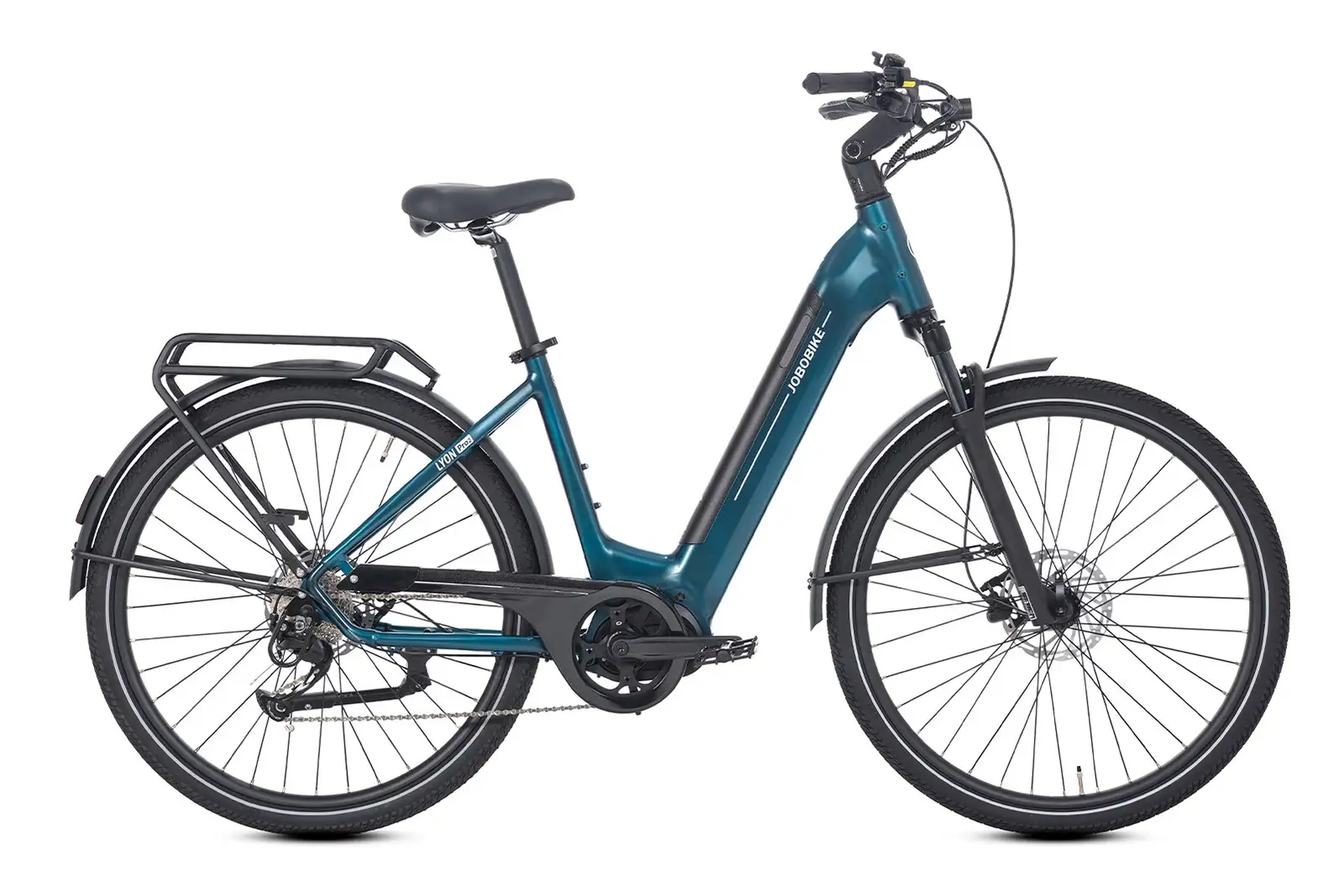
At JOBOBIKE, we offer both 36V and 48V models with a wide range of capacities. We invite you to book a test ride and take part in a technical consultation — and see for yourself how voltage and capacity translate into ride quality and the long-term “heart” of every e-bike.
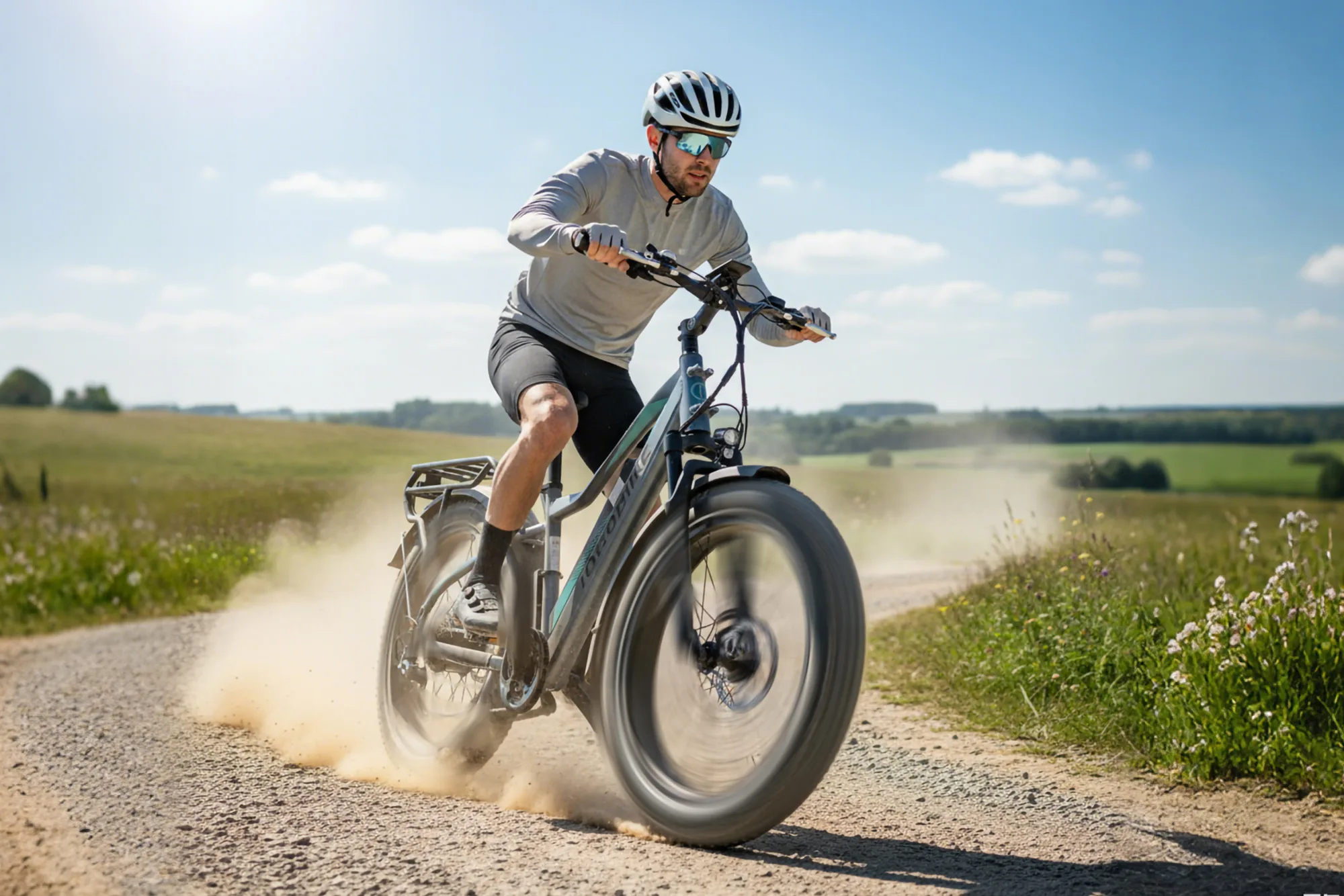
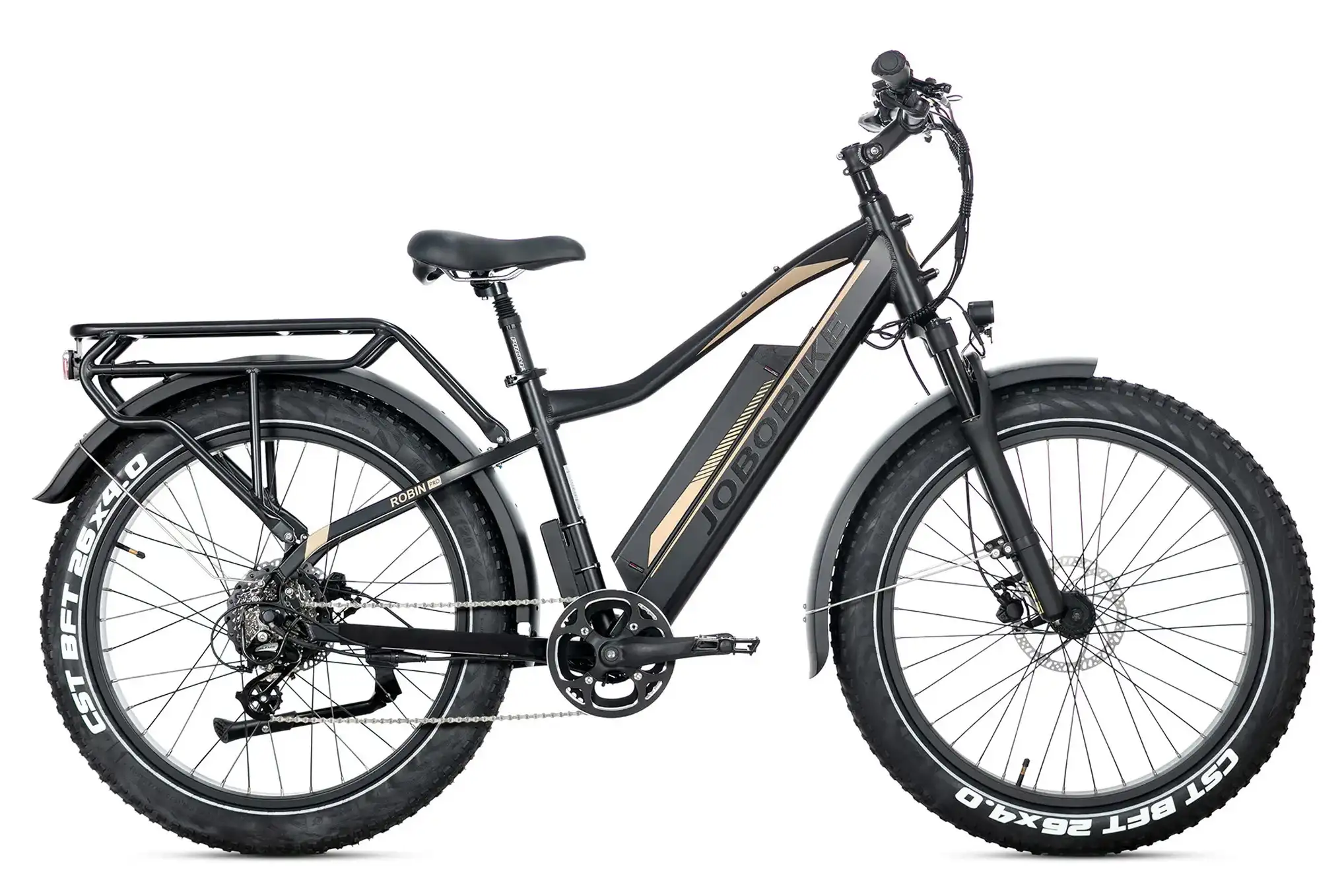
 JOBOBIKE Robin
