










Our mission
for modern lifestyle at competitive prices.
E-bike Battery Passport 2027: New EU Rules for Buyers
According to EU Battery Regulation (EU) 2023/1542, batteries for light vehicles that are placed on the market or put into service in the EU for the first time from this date onwards require a digital battery passport. Consumers can access information such as the battery model, technical specifications and other publicly available information via a QR code on the battery.
For e-bike users in Germany, this does not mean they have to replace their existing battery. Rather, more transparent battery information will be available when purchasing future e-bikes.
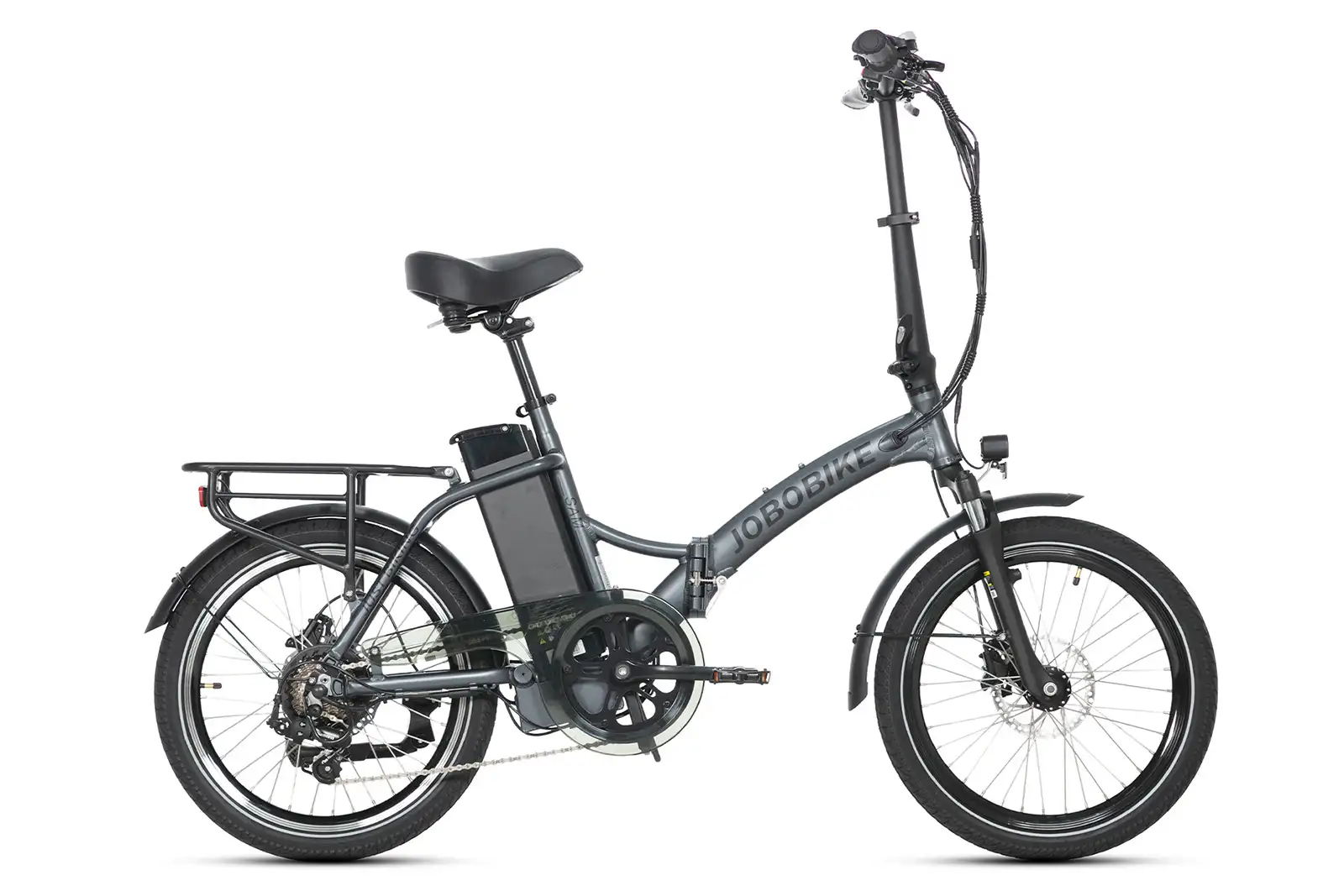
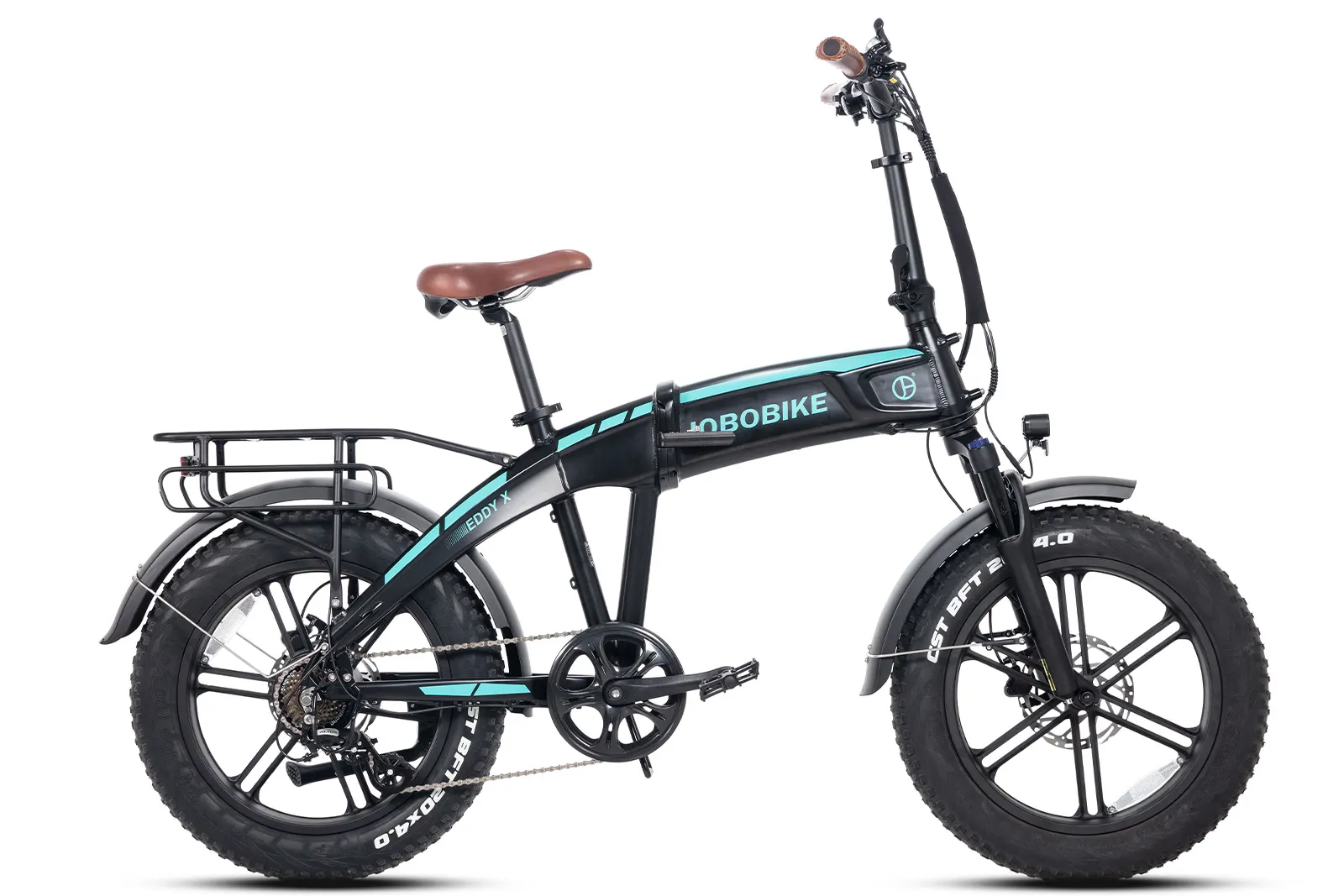
In light of increasing European product requirements, JOBOBIKE has incorporated the relevant specifications into its product management and compliance preparations for the European market. Battery safety, transparent information, and a positive long-term user experience remain key priorities.
What specific changes will the 2027 e-bike battery passport bring? And what practical benefits will buyers derive from it?
1. What is the digital EU battery passport for e-bikes?
The battery passport is a digital data record assigned to a specific battery.
Until now, e-bike buyers have mostly obtained information from the user manual, the label on the battery, or the technical specifications provided by the dealer. This includes, for example, capacity, voltage, and manufacturer information.
The digital battery passport is intended to make relevant information accessible in a more standardized format. At the same time, it provides information that can be helpful during the use, repair, reuse, and recycling of the battery.
According to Article 77 of Regulation (EU) 2023/1542 , batteries placed on the market or put into service from 18 February 2027 onwards must have a digital battery passport.
The passport is linked to a unique identifier and accessible via a QR code. Different access rights apply to different types of information.
2. Which e-bike batteries will be subject to the rules from 2027 onwards?
The EU battery passport does not only apply to electric cars. The regulation covers, in particular, the following categories:
Battery category | Battery passport required? |
| Batteries for light transport vehicles (LMT), such as e-bikes and pedelecs | Yes, for batteries recorded from the cut-off date onwards. |
| Electric bike batteries | Yes, for batteries recorded from the cut-off date onwards. |
| Industrial batteries with a capacity of more than 2 kWh | Yes, for batteries recorded from the cut-off date onwards. |
| Ordinary small device batteries | They do not belong to the battery passport categories mentioned in Article 77. |
In Europe, the drive batteries of pedelecs, which are common and whose motor assistance usually ends at 25 km/h, also fall under the new requirements, provided they meet the legal definition of an LMT battery.
Do e-bike batteries under 2 kWh also require a battery passport?
The battery category is crucial , not just the capacity. Common e-bike batteries, for example, have:
- 500 Wh
- 720 Wh
- 960 Wh
Although these values are below 2 kWh, the battery passport requirement also applies to such batteries if they are classified as LMT batteries and are placed on the market or put into service in the EU for the first time from 18 February 2027.
The statement "Only batteries over 2 kWh need a battery passport" therefore does not apply to the usual e-bike batteries of the LMT category.
3. What information does the QR code on the e-bike battery show?
One of the most visible changes is the QR code, which provides access to battery information.
Annex XIII of the EU Battery Regulation distinguishes between public information, information accessible for authorities, for example, and information for authorized professionals.
However, a QR code does not mean that consumers can view all data. The actual health of an individual battery, certain usage data, and detailed technical information may be subject to restricted access rights.
The guidance document published by the European Commission in August 2026 also shows which data points are relevant for each battery category and which information is already required by February 2027. Some requirements will be implemented in stages; not every data point needs to be fully displayed by February 18, 2027.
The digital battery passport should therefore be understood as a more transparent information system. It is not a test report from which the remaining lifespan of a battery can be directly determined.
4. Do e-bikes purchased before 2027 need a new battery?
No. A still functional battery does not need to be replaced solely because of the new battery passport regulations.
The requirements apply to batteries that are placed on the market or put into service in the EU for the first time after the cut-off date. This does not entail a general obligation to retroactively equip all previously sold used batteries with a battery passport.
5. How does JOBOBIKE implement the European requirements?
With the ongoing development of European battery regulations, e-bike brands must consider more than just the riding characteristics of their products. Product safety, battery management, and the subsequent traceability of information are also important.
For JOBOBIKE, which has been active on the European market for years, the work to comply with these requirements will not begin until 2027.
Early preparation as part of product management
With regard to the upcoming requirements for the digital EU battery passport, JOBOBIKE has completed the relevant compliance preparations early and integrated the information and traceability requirements for the batteries concerned into its product compliance processes for the European market.
For JOBOBIKE, compliance with regulations means more than just meeting market access requirements. It is also an integral part of working towards transparent product information, reliable after-sales support, and building user trust.
From product safety standards to the new digital battery passport, compliance with the applicable European requirements is one of the principles of product development and management at JOBOBIKE.
On the official JOBOBIKE product pages, consumers can find information about the models' features, battery specifications, and available product documentation. Customer service questions can be answered based on the specific model.
6. Conclusion: What the e-bike battery passport will change in 2027
From February 18, 2027, the digital battery passport will become an important requirement for registered e-bike batteries in the EU.
For consumers, the immediate benefit lies in more transparent battery information. At the same time, the system is intended to better support repair, reuse, and recycling.
The battery certificate does not mean that old batteries need to be replaced. It also does not replace an assessment of actual battery safety or careful everyday maintenance.
As an e-bike brand that has been serving the European market for years, JOBOBIKE places great importance on product safety, compliance and transparent battery information, in addition to the riding experience.
In view of the ongoing development of EU battery law, the early implementation of applicable requirements and clear, reliable product information remain important components of this work.
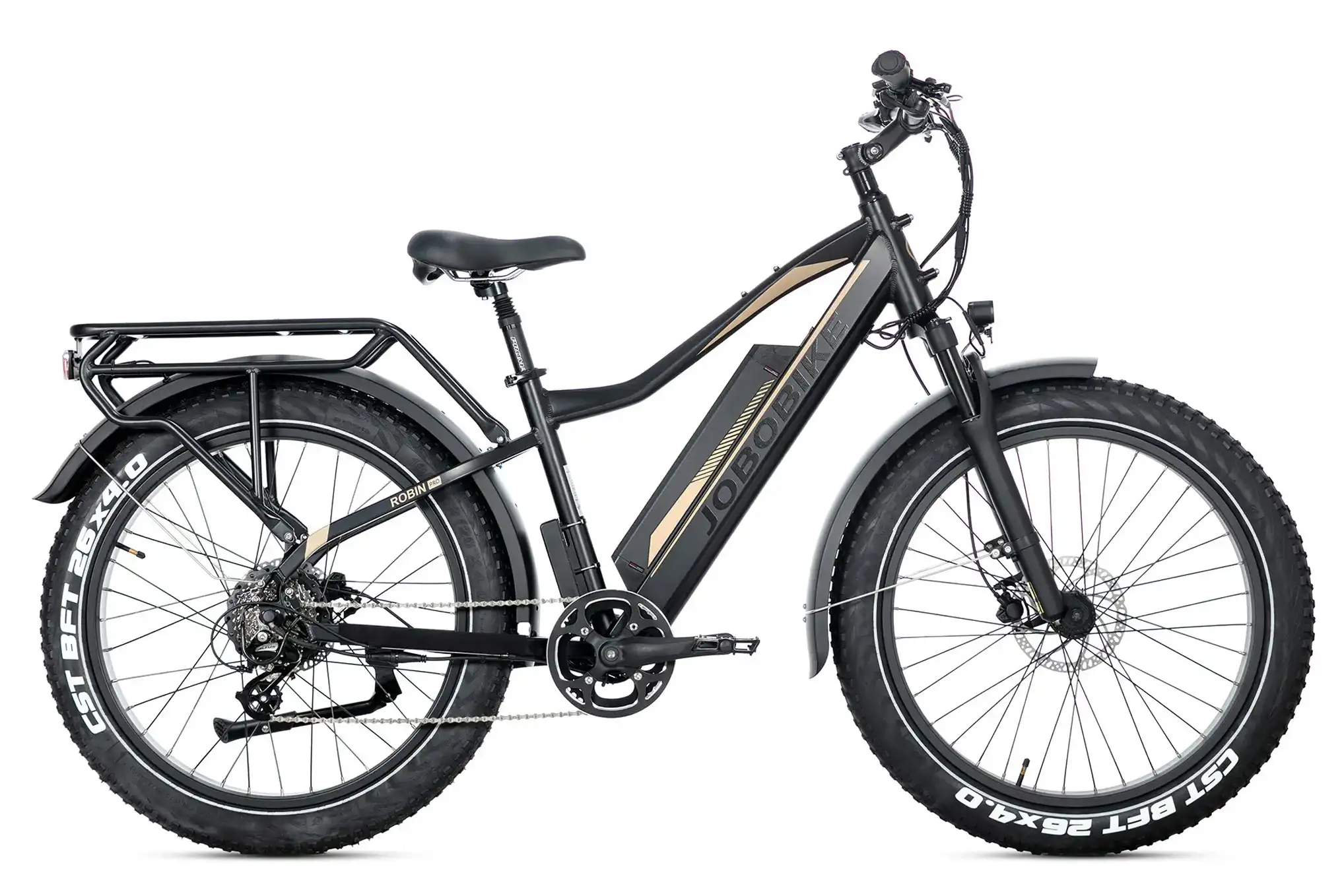
 JOBOBIKE Robin

